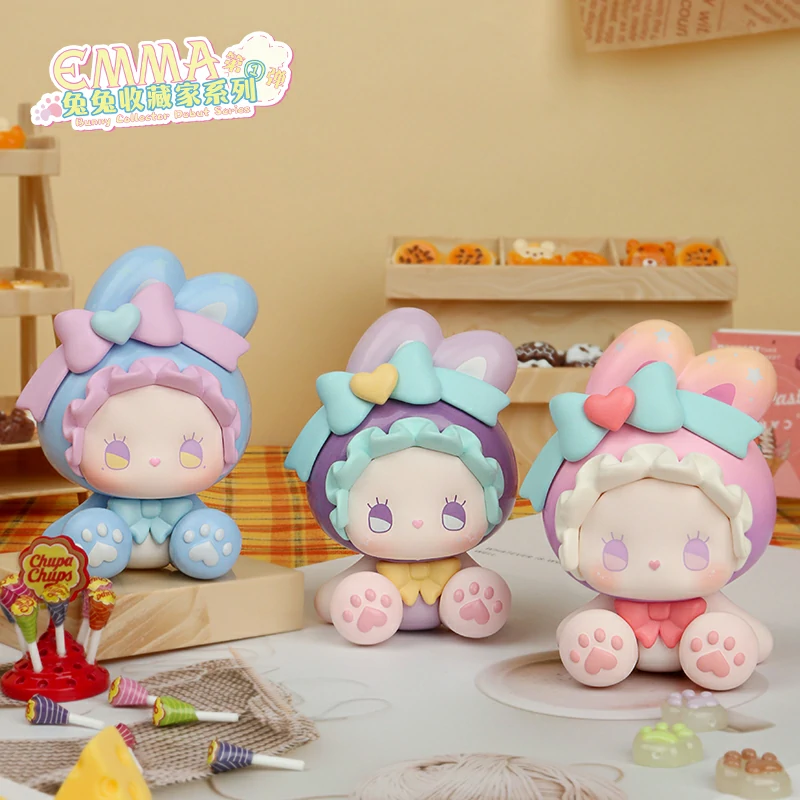
Answer brief
A factory-backed supplier can usually explain production logic, capacity and follow-up more directly than a pure trading model. The buyer still has to verify current terms rather than assume capacity is open.
Buyer takeaways
- Ask who owns the production path and who owns the response.
- Confirm that capacity, stock and lead time are current, not historic.
- Treat factory backing as a sourcing signal, not a final commercial term.
Procurement detail
Why the supply model matters
The buyer needs to know who can answer for production, packaging and delivery. That affects how credible the wholesale path feels.
Use brand materials carefully
Prior materials for Lucky Emma described IP owner, manufacturer and licensor roles. That is useful context, but buyers still need current RFQ confirmation.
What buyers should test
Ask how the line moves from design to production to shipment, and which team handles follow-up when the buyer requests a quote or a sample.
Search themes
RFQ checklist
Use this article before RFQ
The first response should not be a generic contact form. We collect the fields sales actually needs before quoting.
- Share market and channel Country, store type and buyer role set the right follow-up path.
- Select interested series Pick one or more product programs from the curated B2B catalog.
- Estimate quantity Cartons, cases or units are enough for first-pass MOQ guidance.
- Sales confirms terms Pricing, available stock, lead time and samples are confirmed by the team.
Wholesale pricing, MOQ and delivery windows are confirmed by sales after RFQ review.
Request wholesale quote