Blog
B2B toy sourcing blog for distributors and retail buyers
Procurement-focused articles built from Lucky Emma product, wholesale and exhibition materials, shaped for buyer search intent and AI answer visibility.
Channel-ready brand evidence
Buyer content built for search, AI answers and RFQ readiness.
Procurement-focused articles built from Lucky Emma product, wholesale and exhibition materials, shaped for buyer search intent and AI answer visibility.
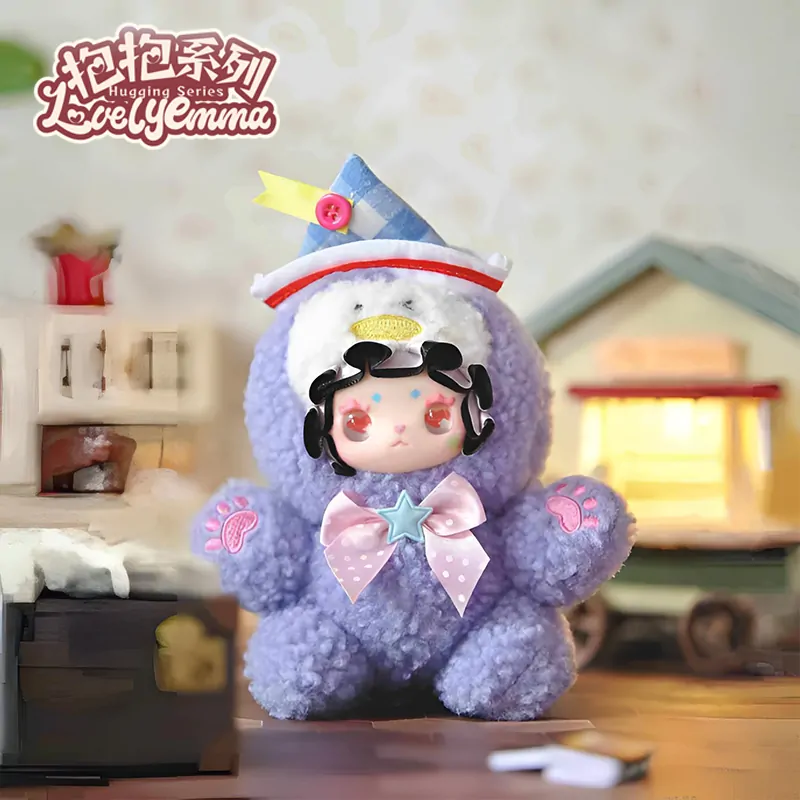
Blind box wholesale RFQ checklist for serious buyers
Use one RFQ to capture market, channel, quantity, sample needs and launch timing before asking for a quote.
Read articleSearch themes
Blind box wholesale RFQ checklist for serious buyers
Use one RFQ to capture market, channel, quantity, sample needs and launch timing before asking for a quote.
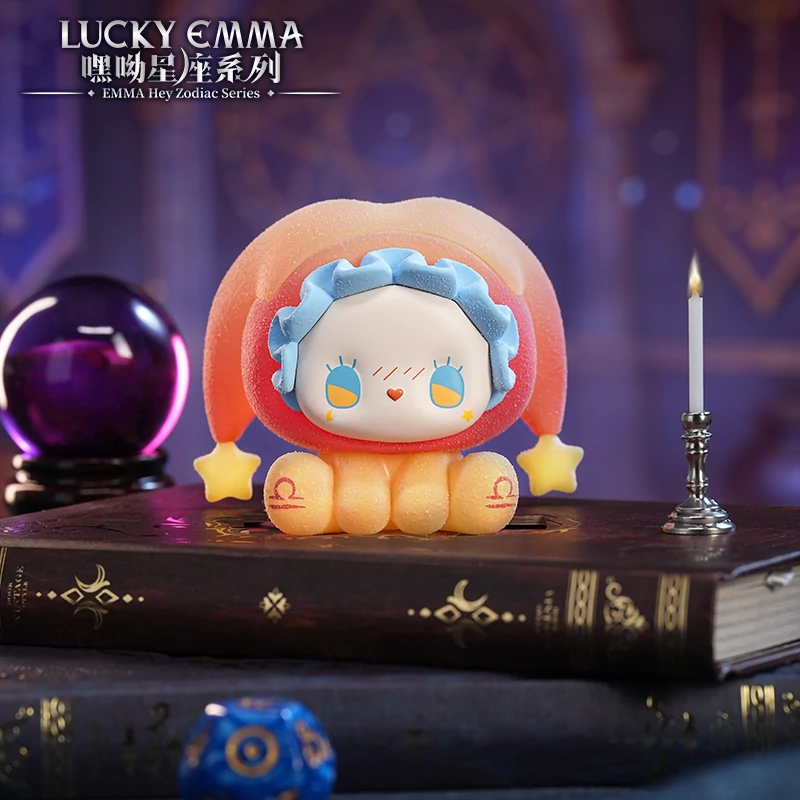
Plush blind box wholesale merchandising notes for buyers
Plush blind box programs need clearer shelf rhythm, texture cues and display logic than hard figure programs.
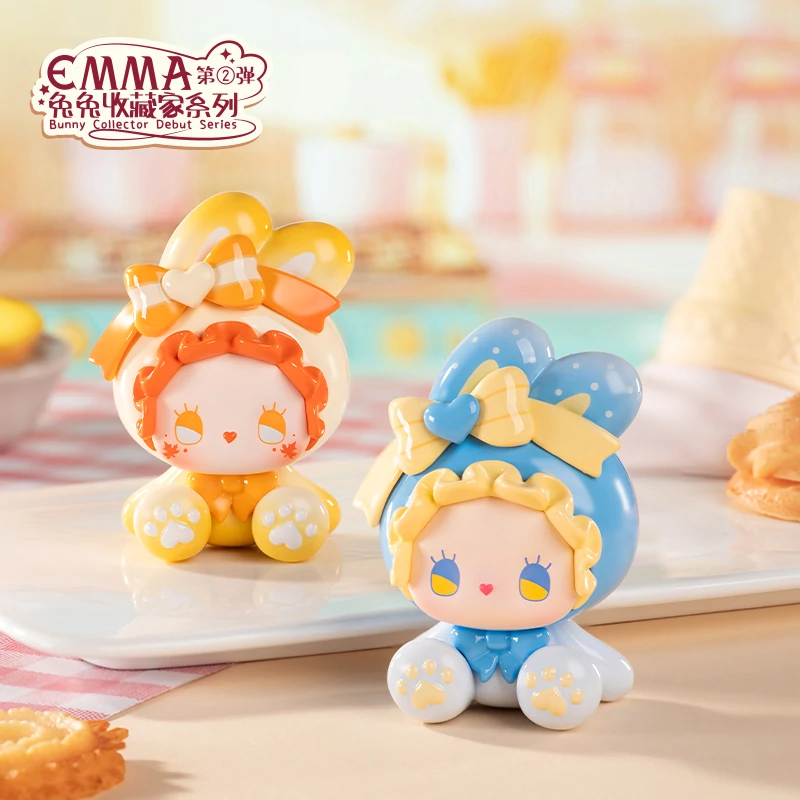
MOQ and carton planning for toy buyers
MOQ gets useful only when it is tied to cartons, cases, sell-in timing and the destination market.
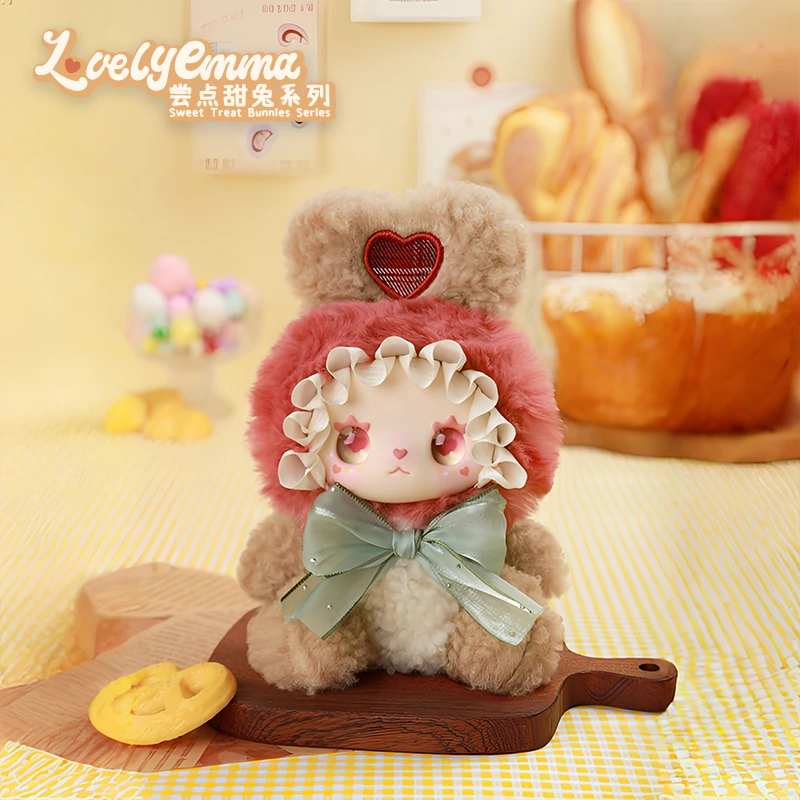
Sample request policy for wholesale toy programs
Samples should be requested with a purpose, not as a generic early ask detached from the launch plan.
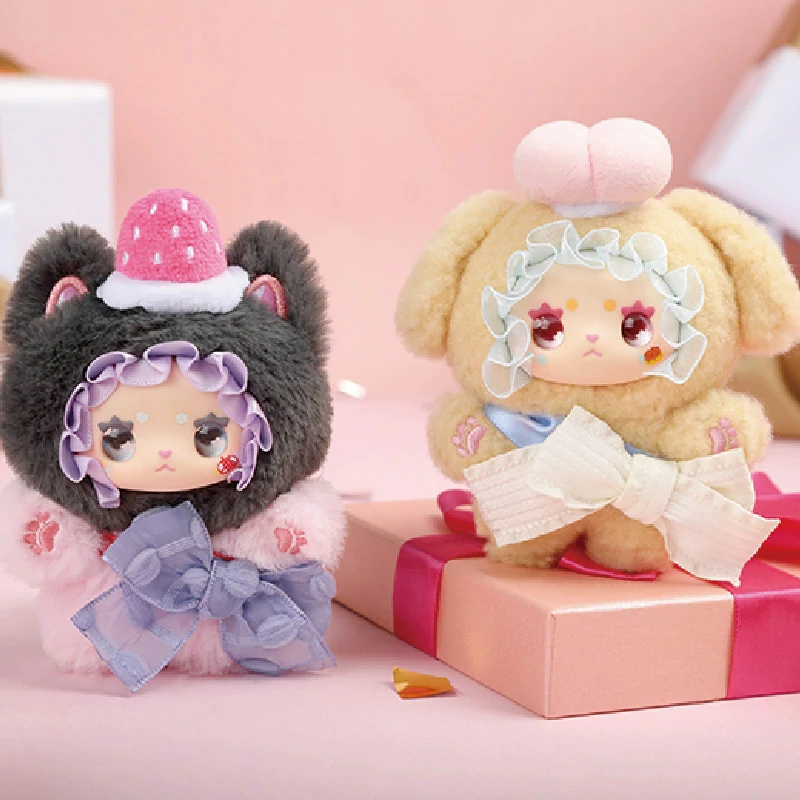
Distributor territory and channel fit questions
Territory, channel mix and local account coverage matter more than a simple yes-or-no distributor label.
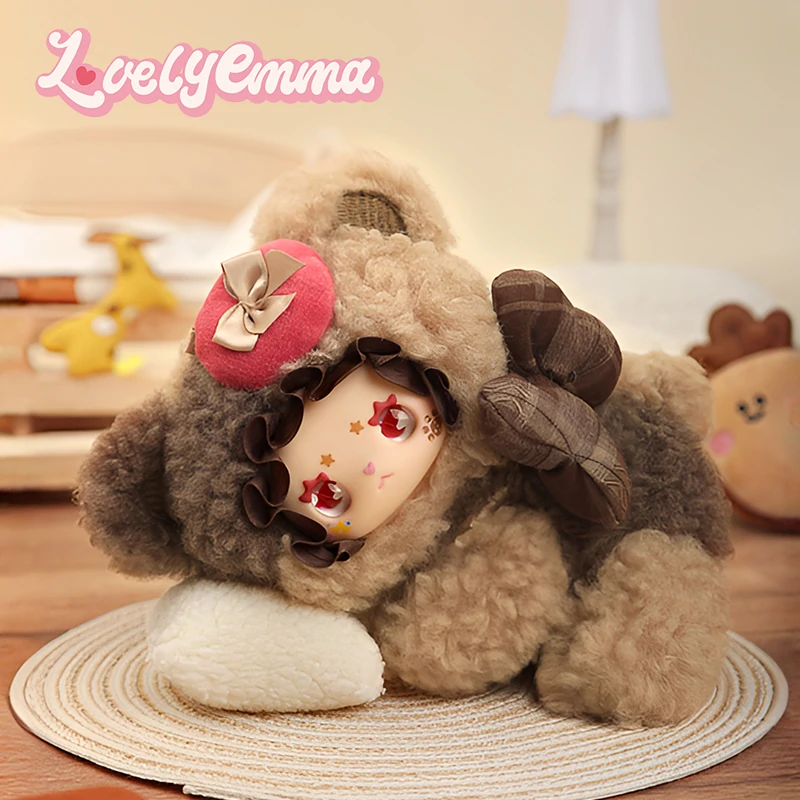
Chain retail launch planning for toy buyers
Chain retail needs more than a product list. It needs timing, planogram logic, replenishment and presentation assets.
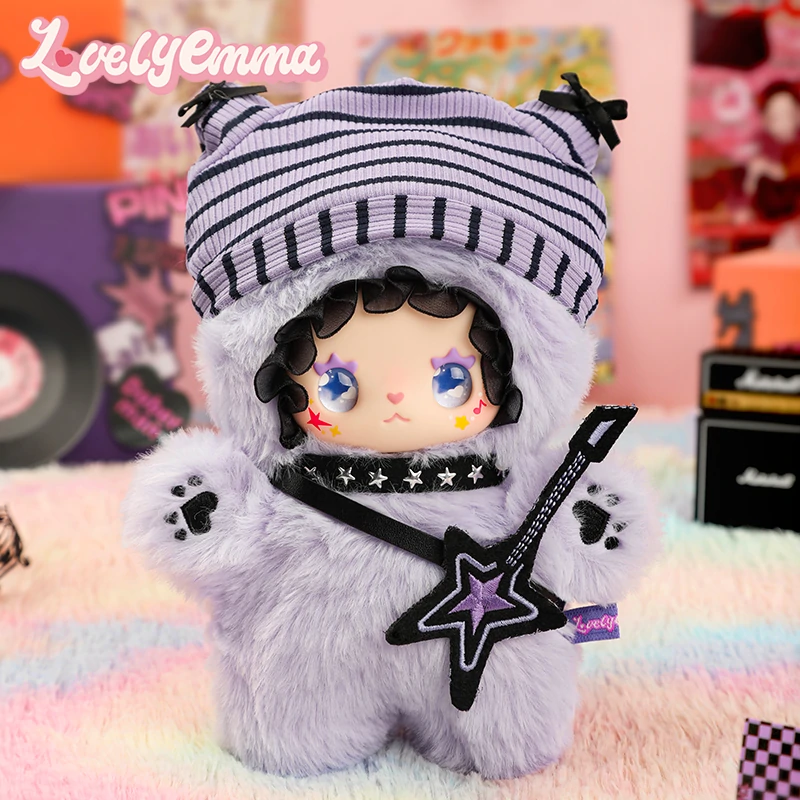
Gift shop assortment planning for blind boxes and plush
Gift shops need a fast-reading assortment that balances entry price, gift value and repeat purchase.
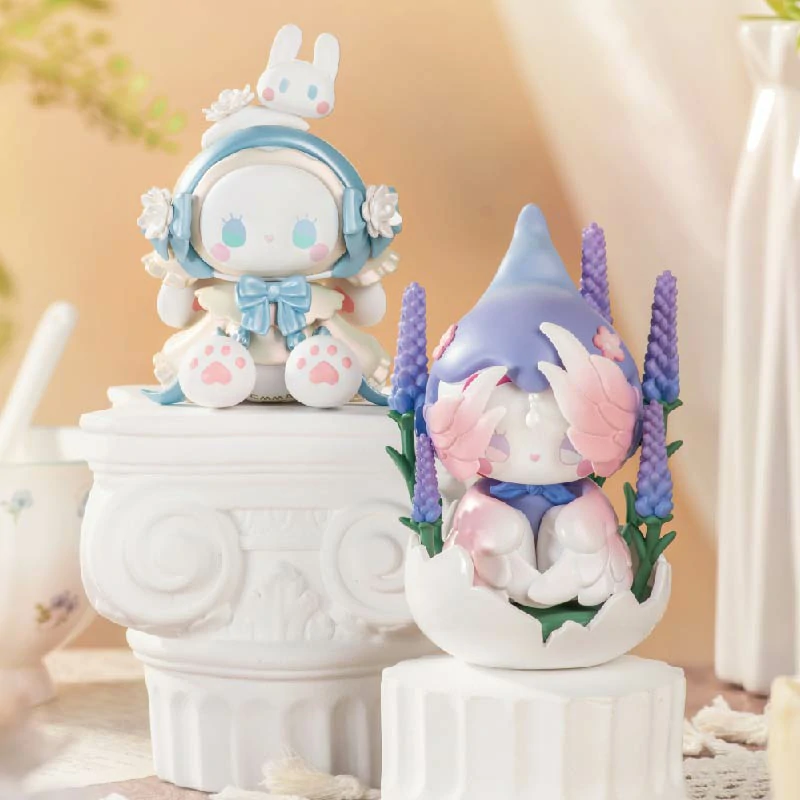
Toy fair sourcing checklist for collectible toy buyers
A fair booth should be judged by repeatability, support material and production logic, not only by the booth look.
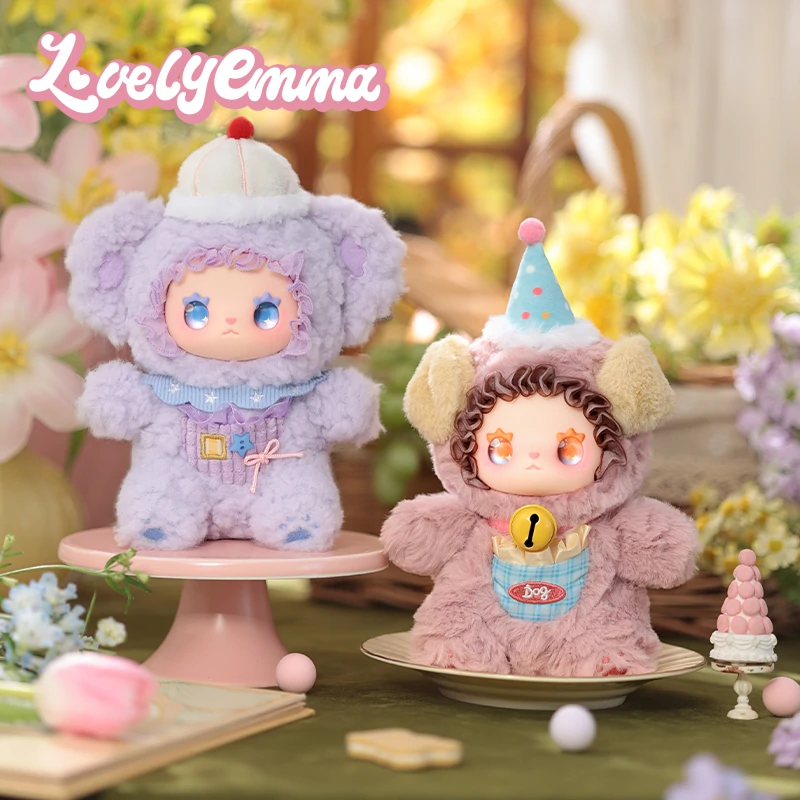
Collectible toy compliance questions buyers should ask
Compliance is part of the sourcing brief, especially when the same program may move across US, EU, Japan or Korea.
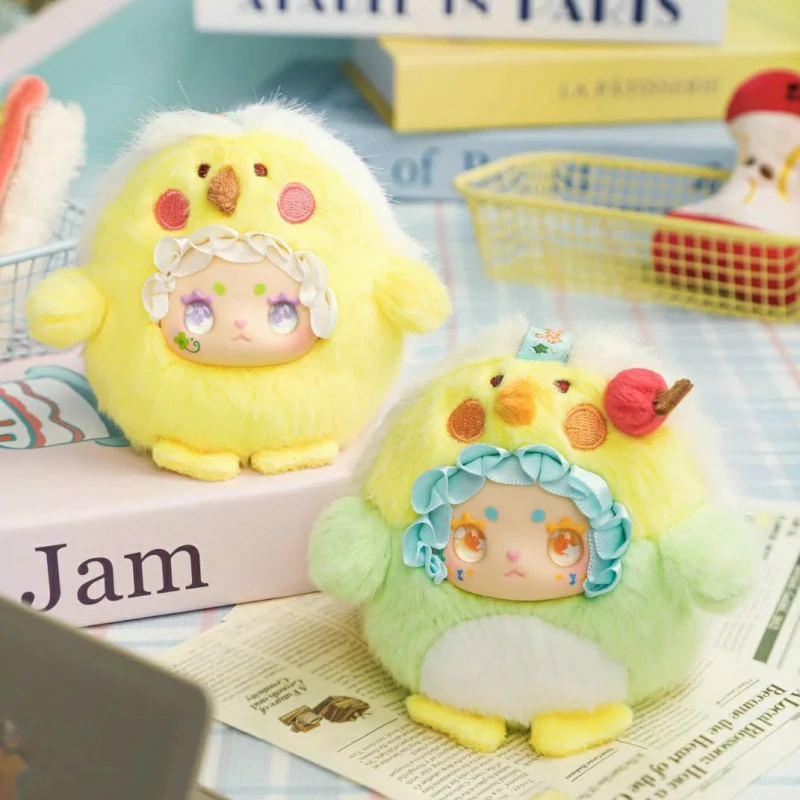
Localization for US, EU, Japan, Korea and LATAM buyers
Localization starts with channel and packaging needs, then moves to language, imagery and compliance.
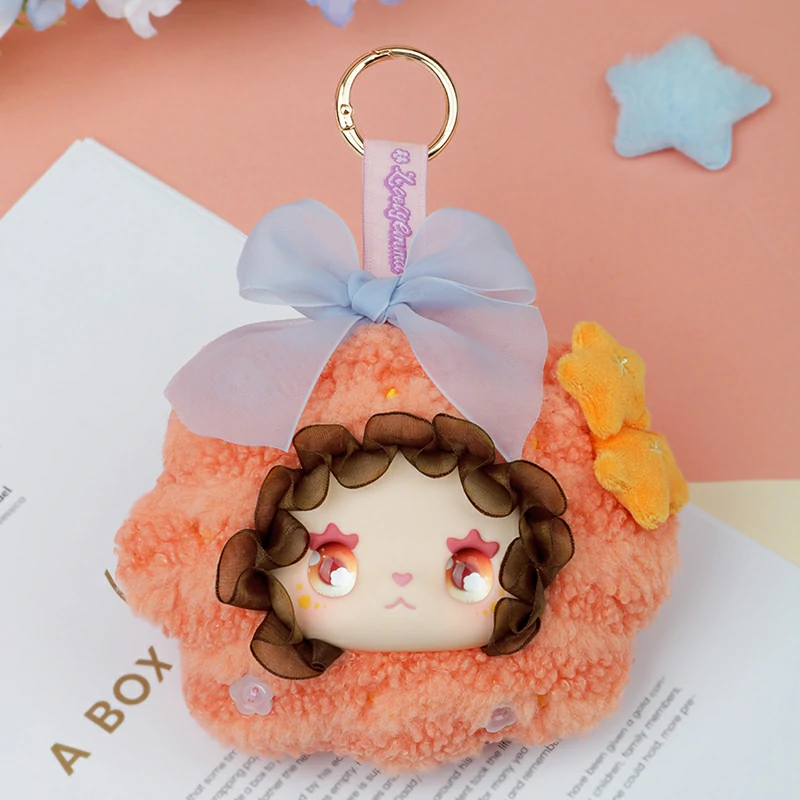
Sell-in image usage guidelines for wholesale buyers
Buyers need to know which images can be used in internal sell-in decks, customer presentations and local marketing.
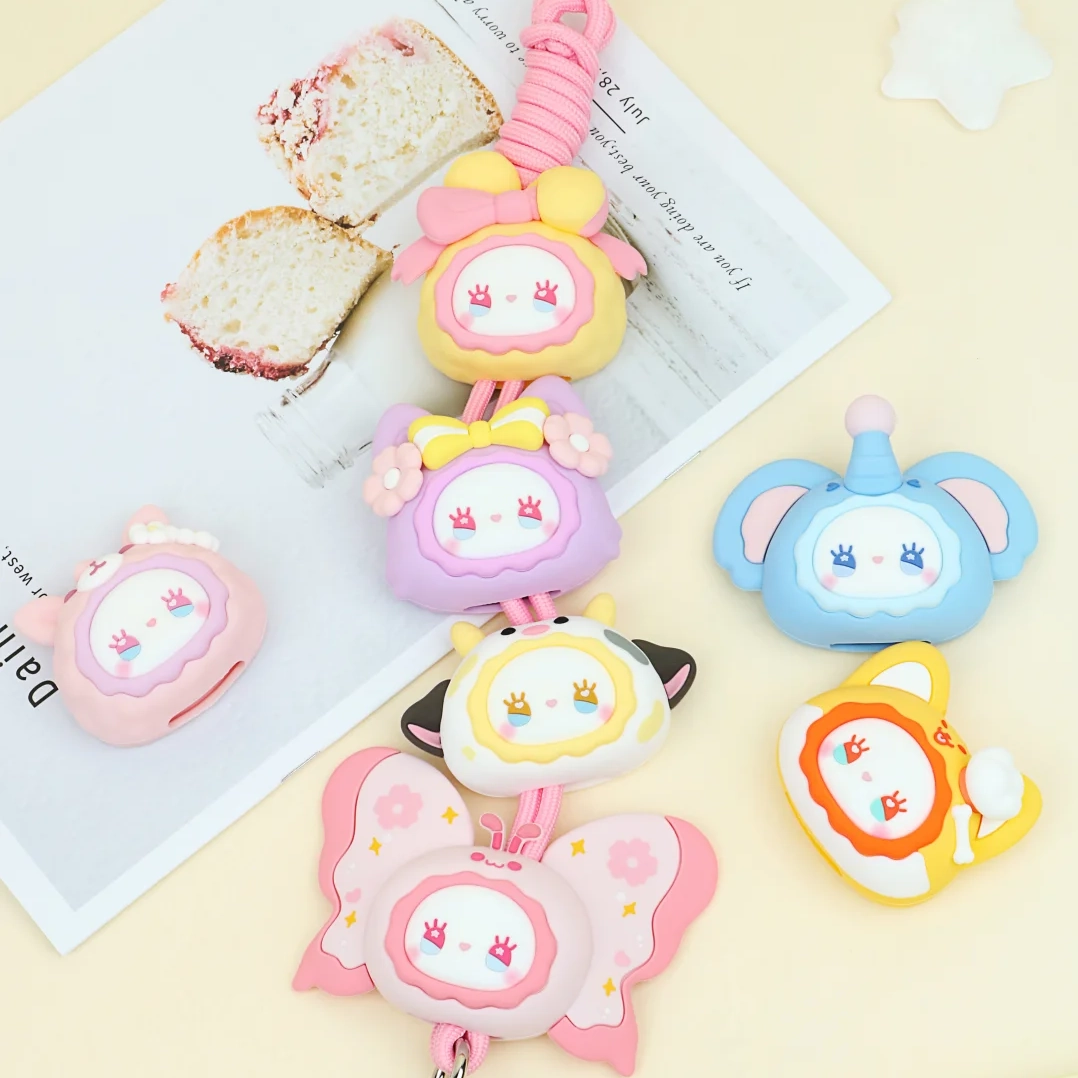
Replenishment program planning for collectible toy buyers
A first order is only the start if the line can come back in time for repeat demand.
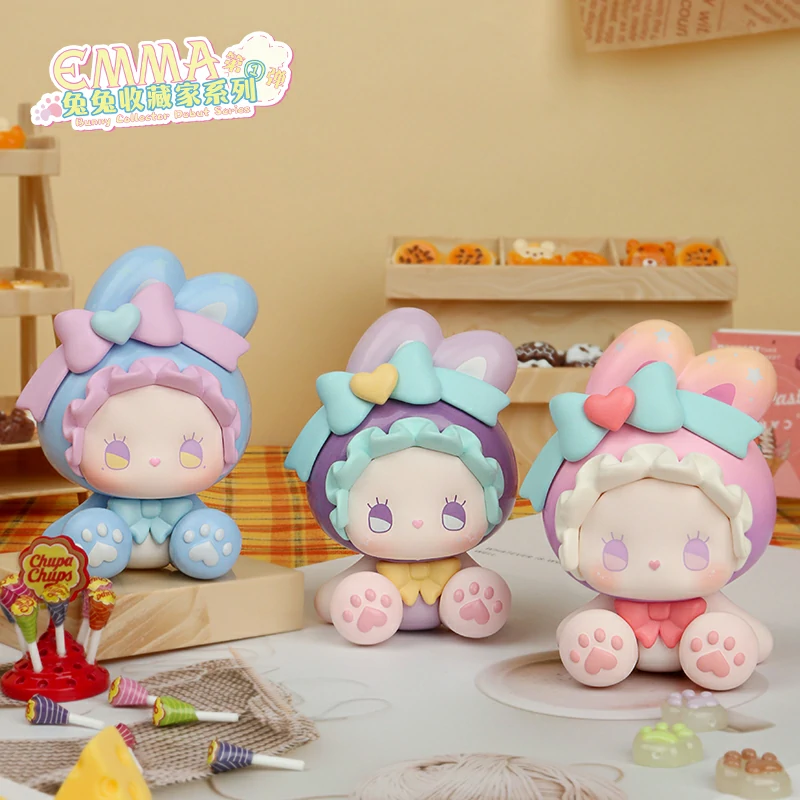
Factory-backed supply versus trading for wholesale buyers
Buyers sourcing collectible toys should know whether they are speaking with the factory side or only a trading layer.
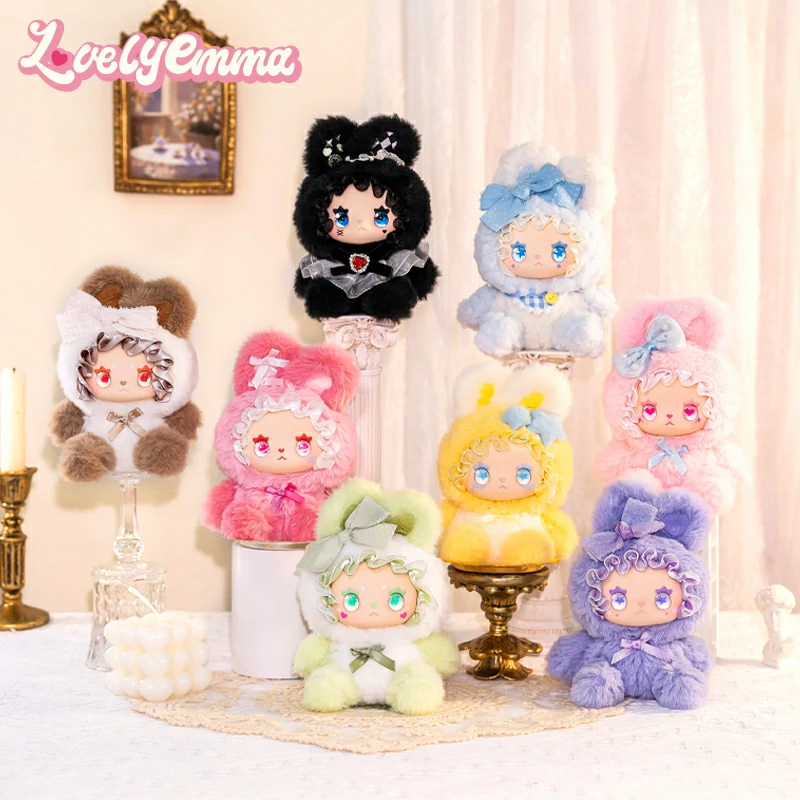
IP owner, manufacturer and licensor positioning for buyers
The useful question is not just who the brand is, but which role it plays in the supply chain and licensing path.
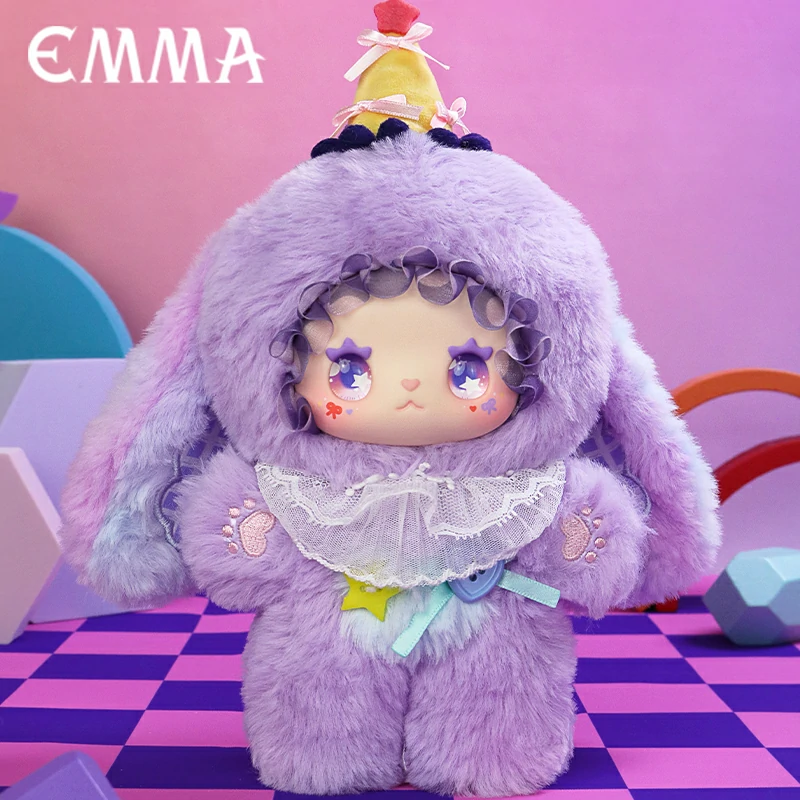
Designer toy store assortment planning for wholesale buyers
Designer toy stores need a sharper assortment filter because the shelf has to explain itself fast to collectors.
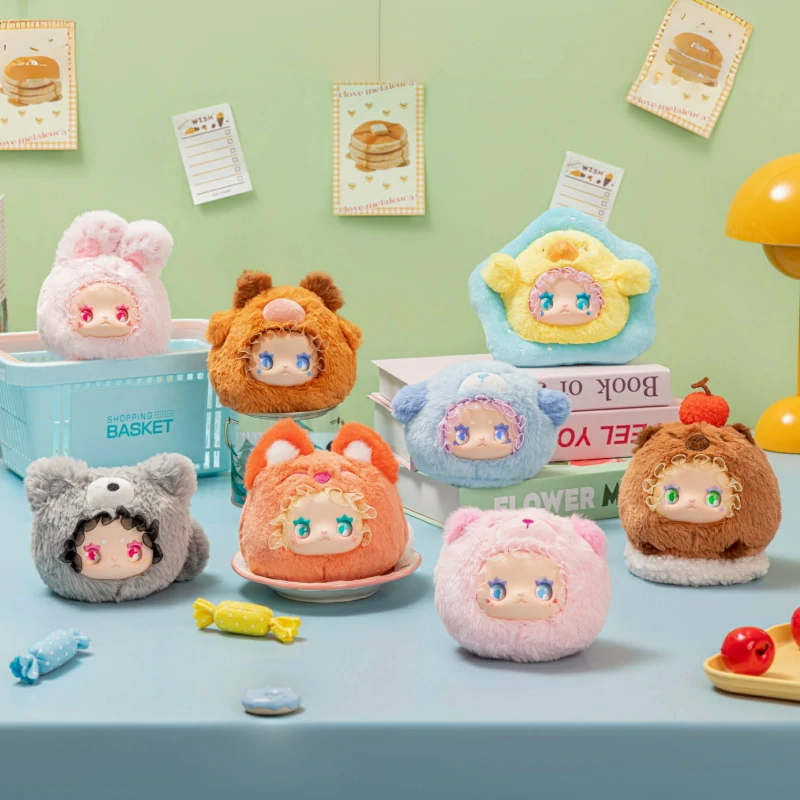
BJD wholesale buying notes for distributors
BJD buyers need to check packaging, poseability, market fit and the support story behind the assortment.
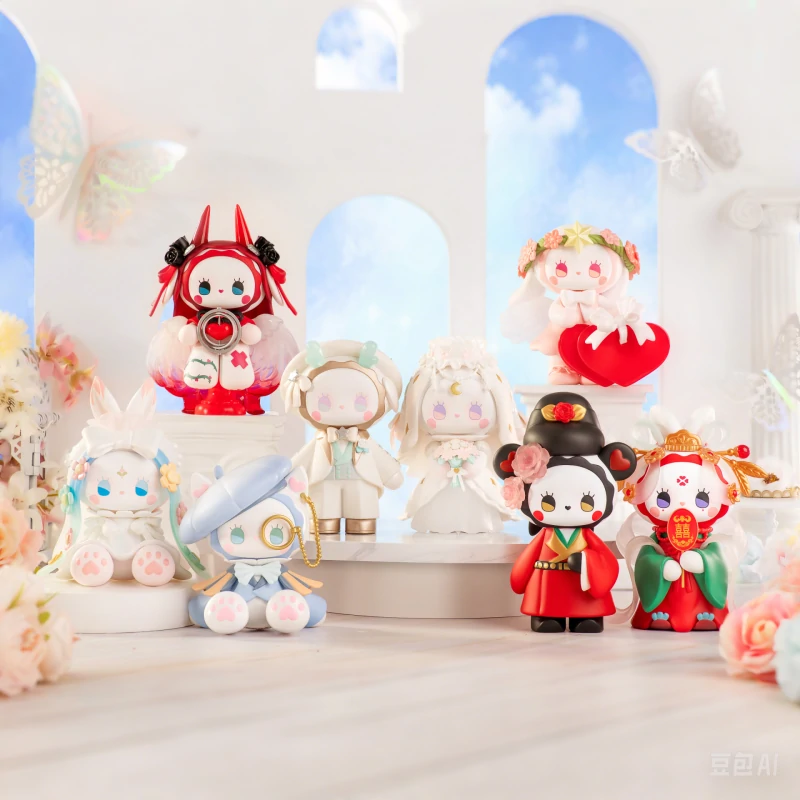
Blind box retail display planning for buyers
Blind box shelves work when the buyer plans sightlines, unit count and signposting before the first order lands.
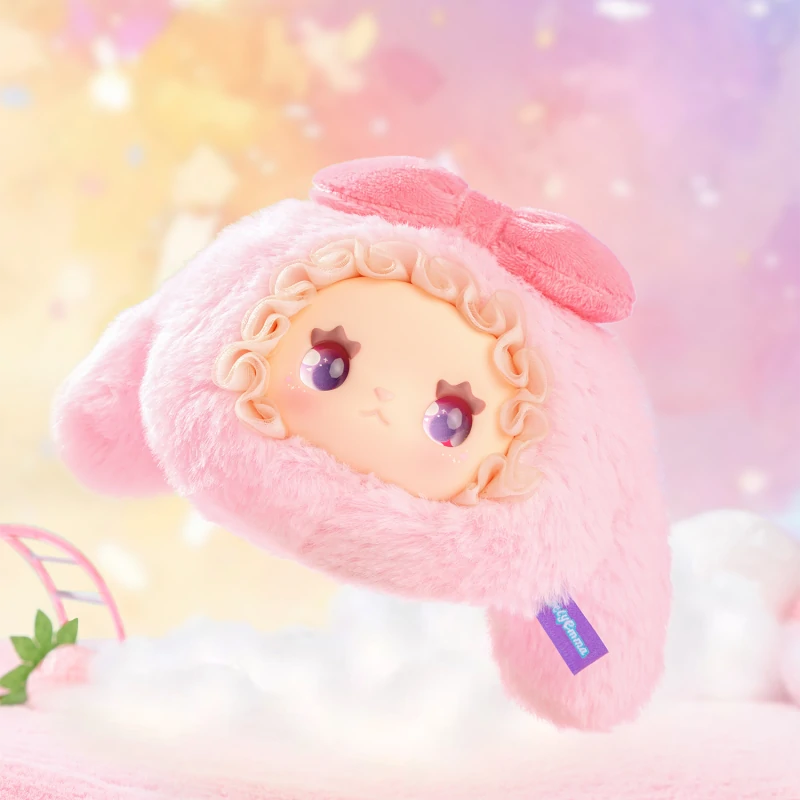
Seasonal launch planning for wholesale buyers
Seasonality affects buy depth, artwork timing, replenishment and how much risk the buyer wants to carry.
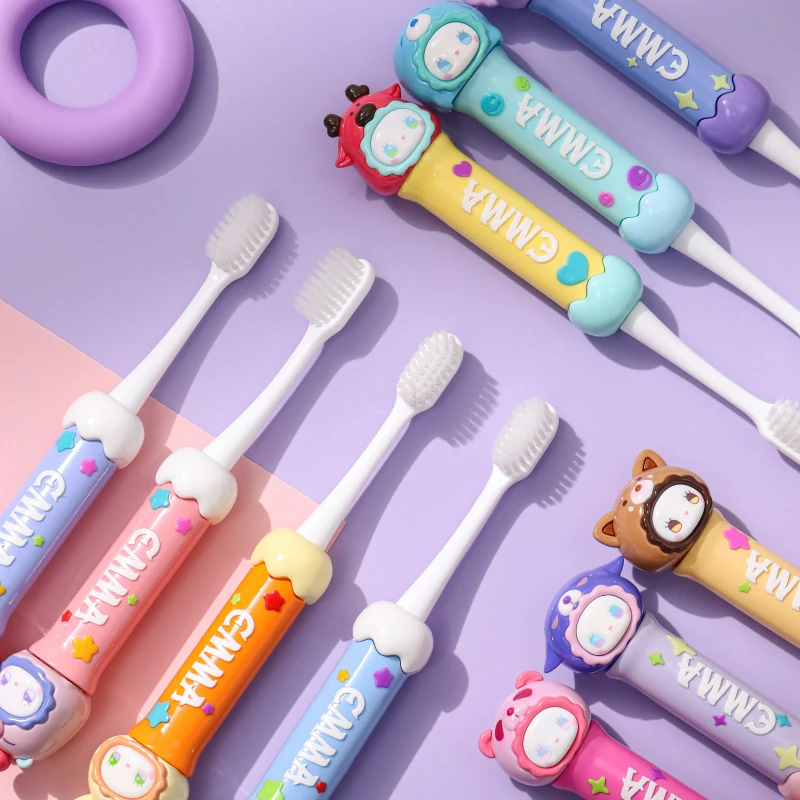
Packaging language and label review for retail buyers
Packaging text, warnings and label placement can change a buyer's approval path as much as price does.
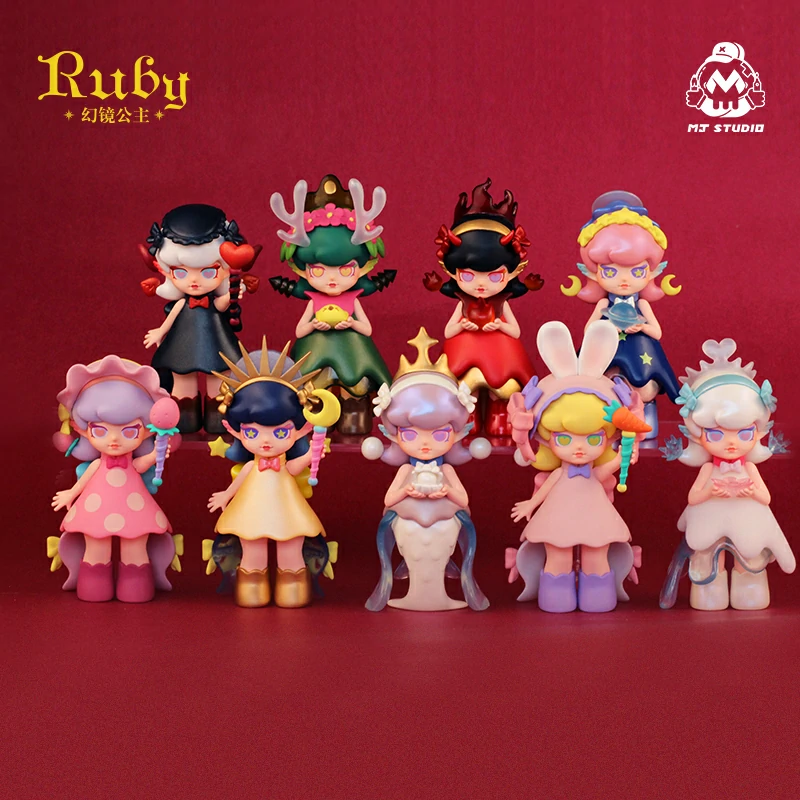
Case pack and carton discipline for wholesale orders
Case pack discipline helps the buyer plan fixtures, freight and replenishment without forcing late changes.
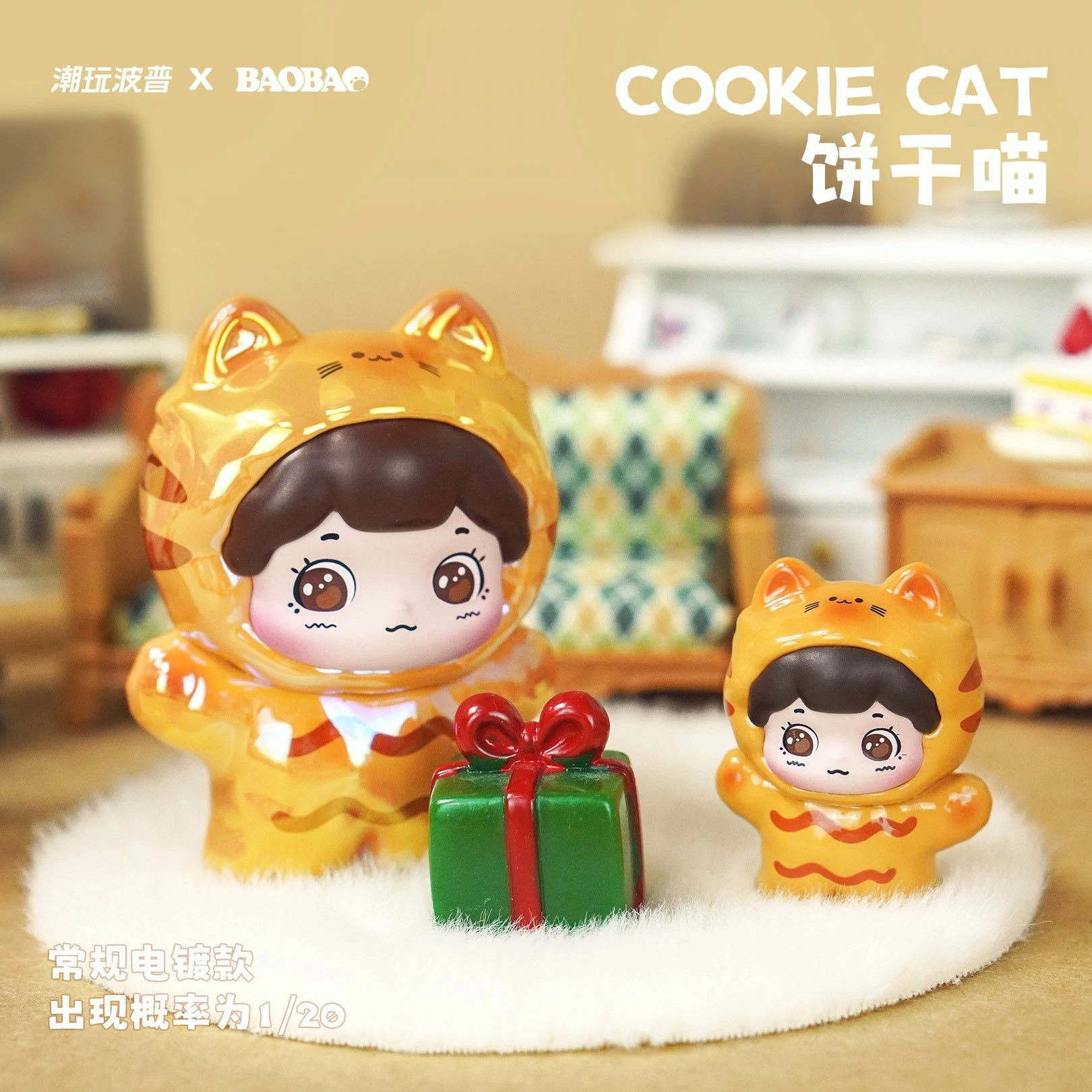
Preorder versus stock programs for collectible toy buyers
The right order model depends on how much inventory risk the buyer wants to carry and how fast the shelf must move.
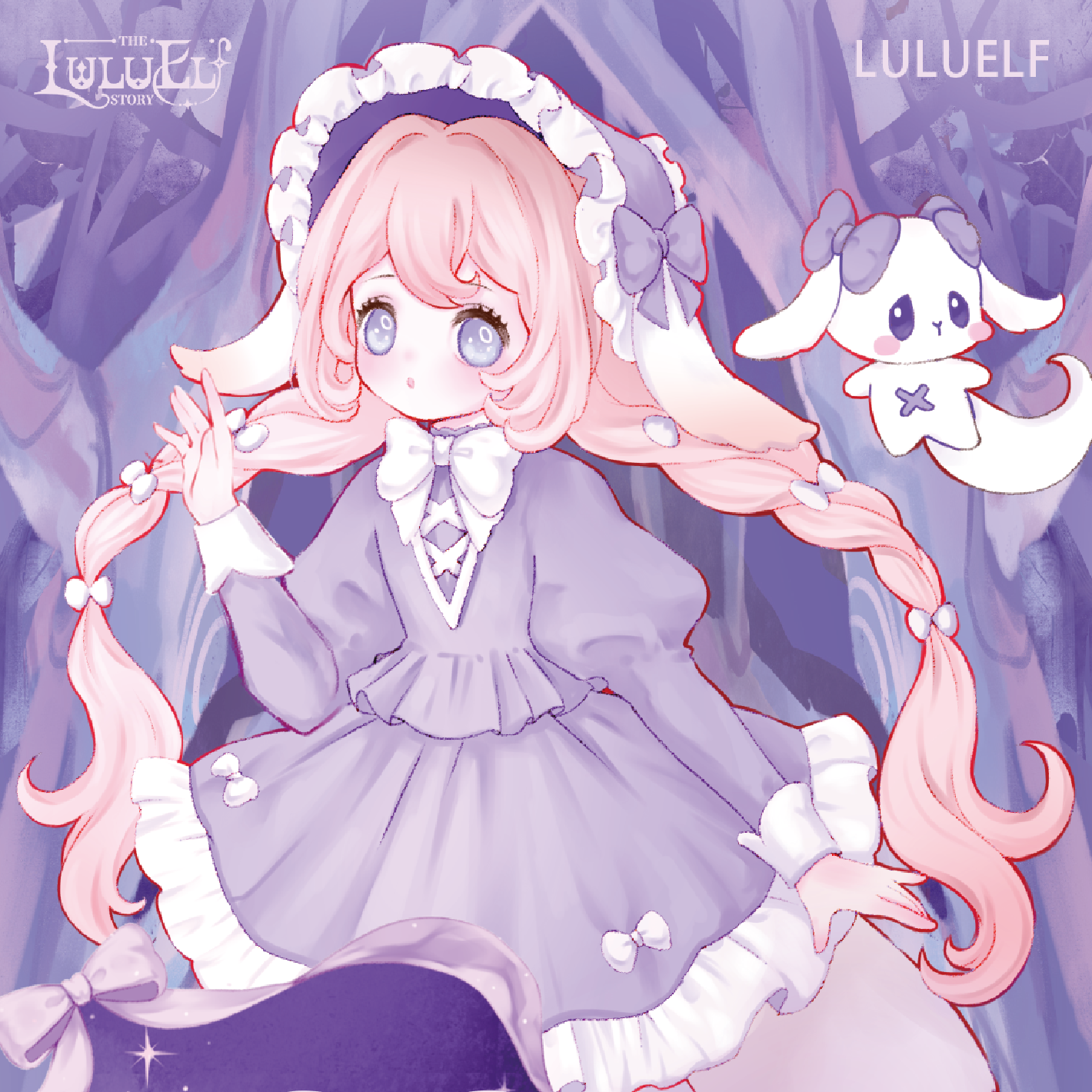
Concept store assortment mix for collectible toys
Concept stores need a mix that reads as curated, not cluttered, while still leaving room for repeat buying.
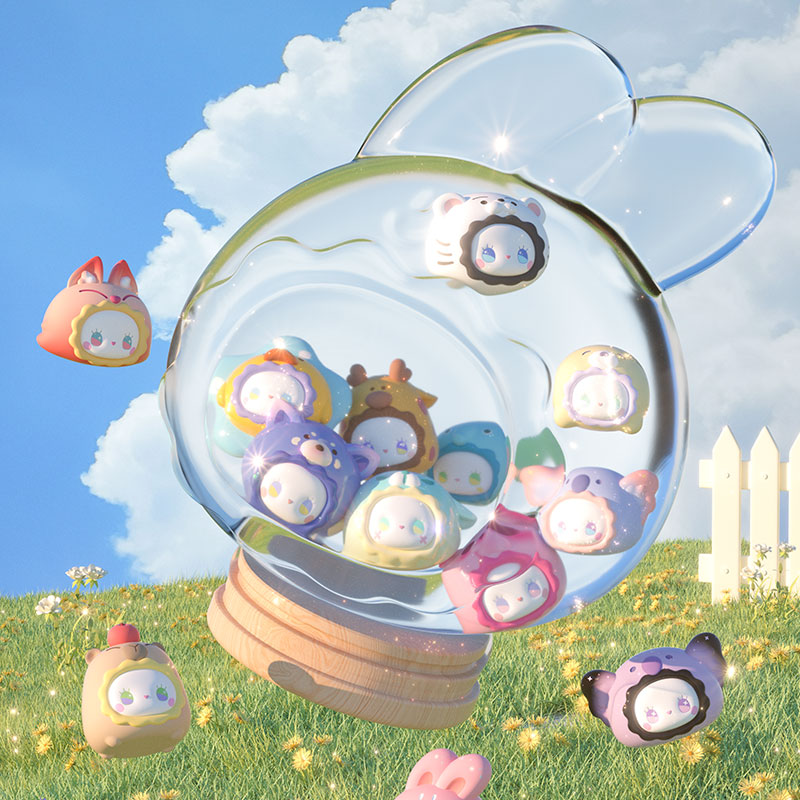
Channel conflict prevention for distributors
A distributor needs to understand which accounts, channels and territories are protected before they invest in launch work.
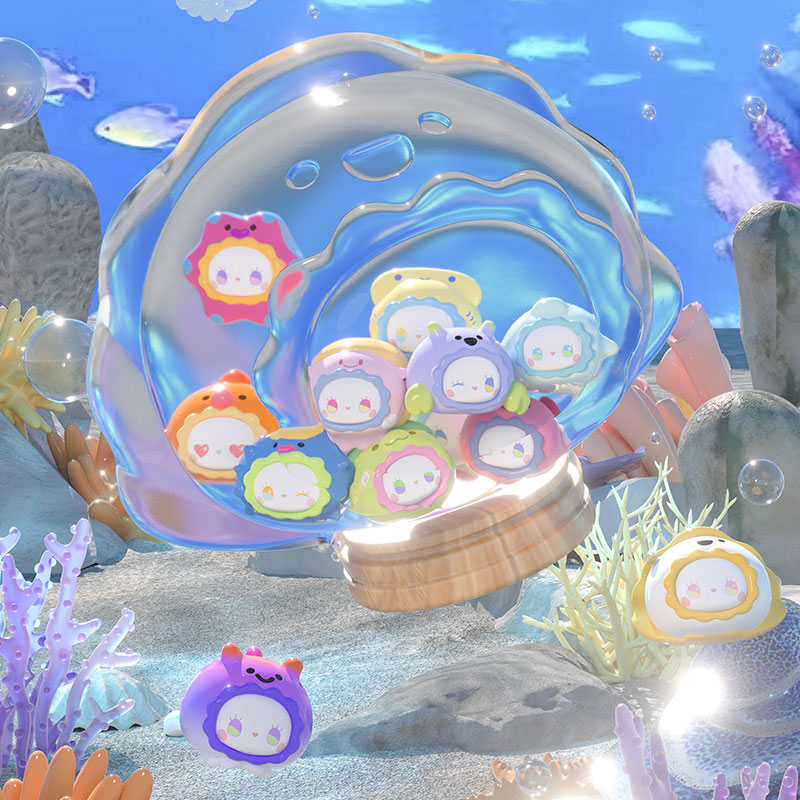
Private label versus original IP for wholesale toy buyers
The choice between private label and original IP affects the story, approval path and long-term shelf value.
Sell-through forecast questions for wholesale RFQs
A forecast request should help the supplier size the launch against real store demand, not just top-line order ambition.
From sample room to store story for wholesale buyers
The wholesale pitch becomes stronger when the buyer can turn product samples into a retail story.
Customs and logistics documentation for toy import buyers
Logistics support matters when the buyer needs the shipment to clear, land and move without avoidable delays.
Distributor questionnaire for a better wholesale RFQ
A short questionnaire can replace back-and-forth if it asks the questions that shape pricing and launch support.
Fair booth to RFQ conversion for wholesale buyers
The job after a good booth visit is to convert interest into a usable RFQ with market and channel detail.
Retail chain buying calendar for toy launch planning
Chain retail buys against a calendar, so the supplier needs to understand timing as early as the RFQ stage.
Plush toy and blind box category extension for wholesale buyers
Adding plush to a blind box program can widen the channel, but only if the assortment still has a clear core story.
Wholesale pricing terms and payment questions for buyers
Pricing only becomes actionable when the buyer also asks about payment timing, quote validity and the commercial path.